At Hitshi Industries, sustainability is not a short-term response — it is a long-term commitment embedded in our material choices, manufacturing practices, and every product we ship.
We see our products as a platform to shape a better future — not just through design and function, but through environmental consciousness. In a world increasingly aware of resource depletion, we believe every manufacturer must play an active role in building a more sustainable supply chain.
Since our establishment in 2019, Hitshi Industries has continuously explored how to reduce environmental impact while maintaining high-quality, reliable plastic products — from food-grade PP jars and delivery containers, to long-life PVC pipe fittings, to lightweight automotive parts for two-wheelers.
Our journey toward sustainability is not reactive. It is embedded in strategy, culture, and daily operations — from the polymer we select at purchase to the recycling instructions we print on our packaging.
Every material decision we make has a downstream consequence. Choosing the right polymer is not just an engineering call — it is an environmental one.
— Tanuja Sharma, Founder & MD, Hitshi Industries2019Founded with sustainability in our briefISO14001 Environmental Mgmt. CertifiedPP #5Recyclable resin — all food packaging50 yrPVC pipe service life — less replacement
These are not aspirations for a future programme. They are the active framework behind every product decision we make today.
We use PP, HDPE, and PVC — resins selected not only for performance but for their recyclability at end of life. No EPS (thermocol), no PU foam in any product line.
Every sprue, runner and production reject is granulated on-site and reintroduced into the process. Process cooling water is recirculated — nothing wasted, nothing discharged.
A product that lasts longer is inherently more sustainable. Our PVC pipe fittings are designed for a 50-year service life. Our automotive parts resist corrosion — eliminating the replacement cycles metal demands.
We maintain full material batch documentation — resin grades, certifications, and supplier origin — so our customers can include our parts in their own sustainability disclosures with confidence.
Eco-friendly materials, cleaner manufacturing, and a responsible supply chain — these are the three areas where our sustainability commitment shows up in practice.

images/sustainability/eco-materials.jpg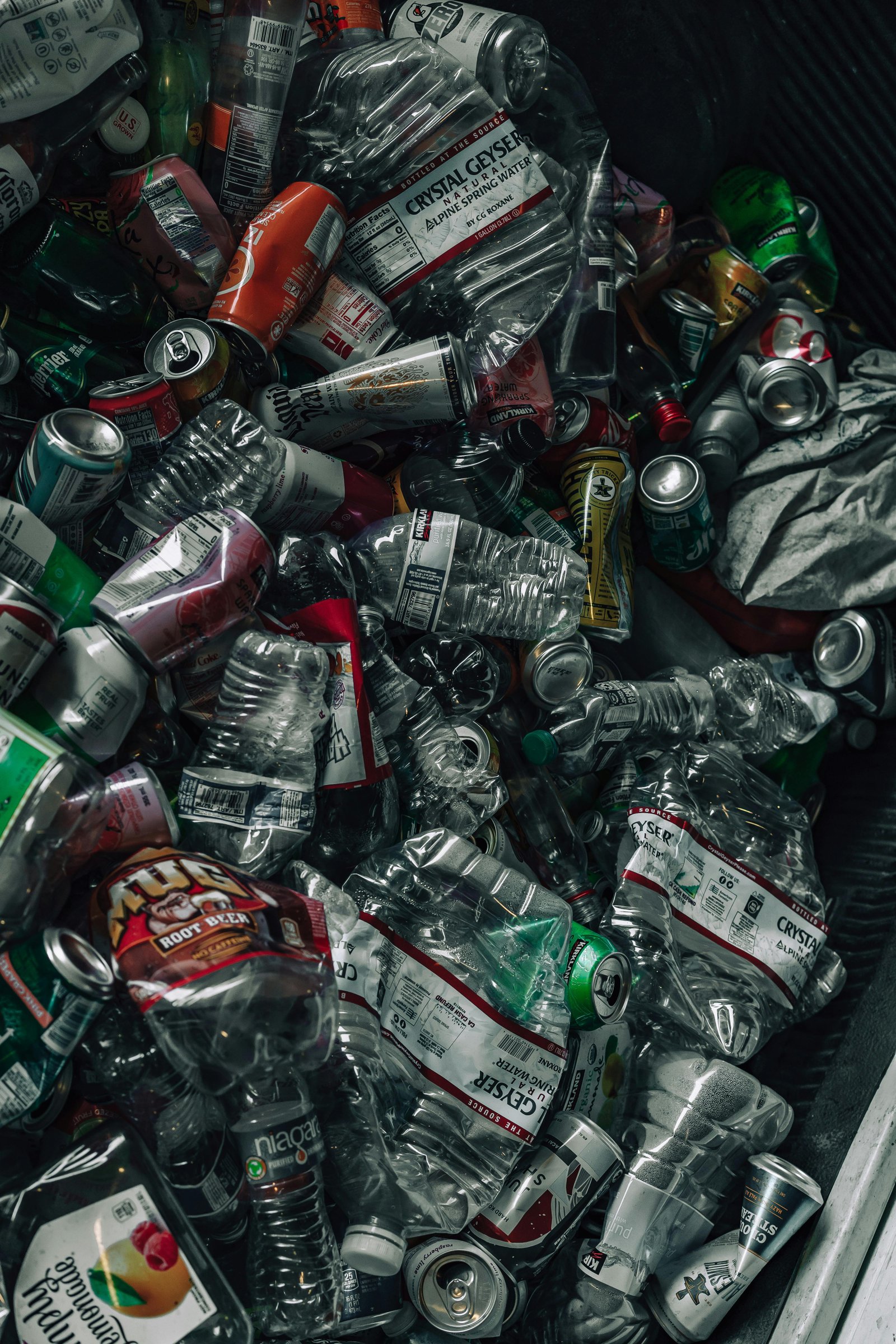
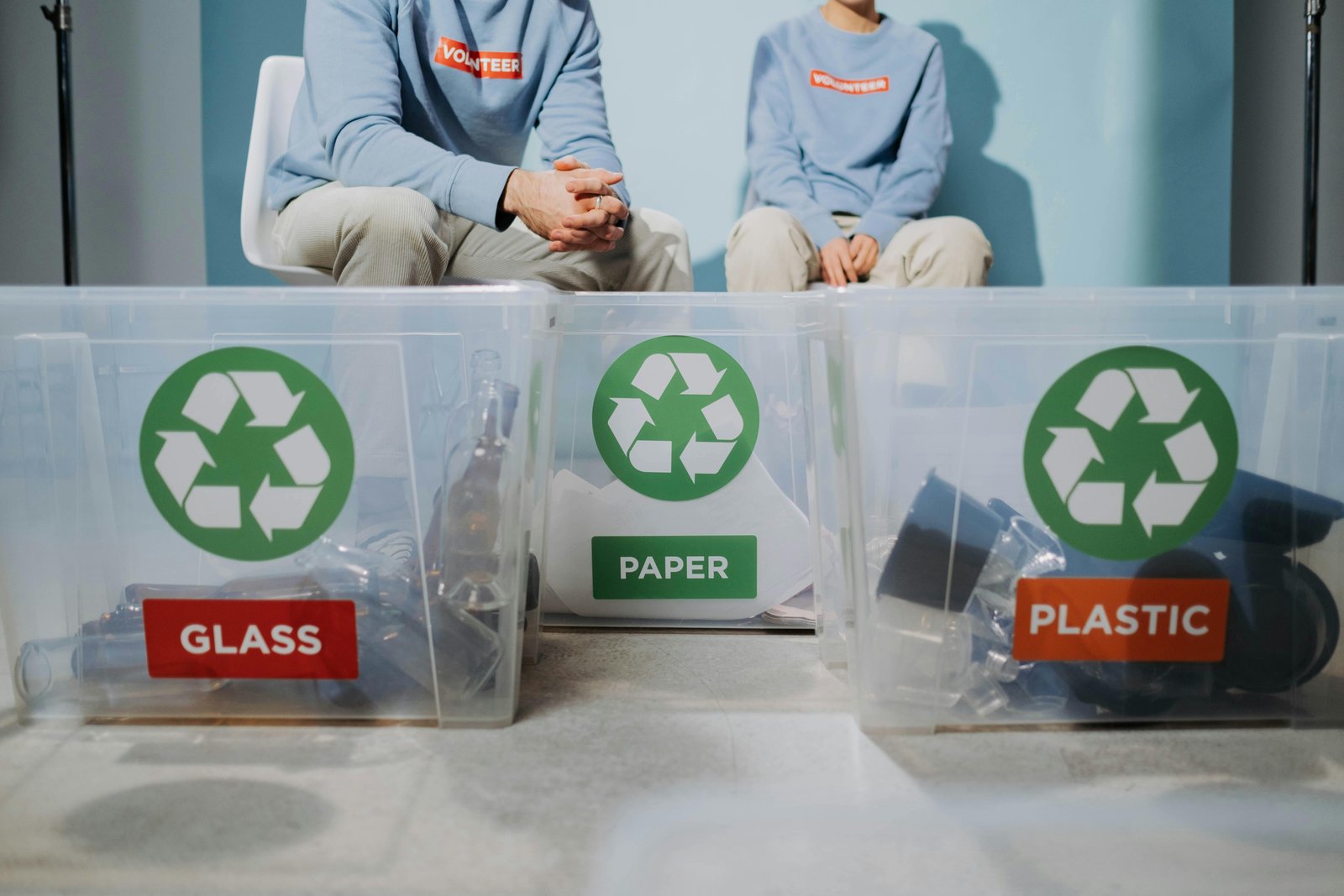
eco-materials-2.jpgWe actively use recyclable, food-safe resins across all product lines. Polypropylene (PP, Resin #5) and High-Density Polyethylene (HDPE, Resin #2) are the two most widely accepted plastics in Indian and global municipal recycling streams. Every food jar, delivery container, cap, and closure we produce can re-enter the material cycle at end of life.
Choosing PP over EPS (thermocol) for our food delivery containers — rectangle meal boxes, 5CP thalis, hinge boxes, sweet boxes, salad bowls — is a deliberate material upgrade: PP is recyclable, microwave-safe, and does not break into persistent microplastic beads the way polystyrene does.
images/sustainability/factory-floor.jpg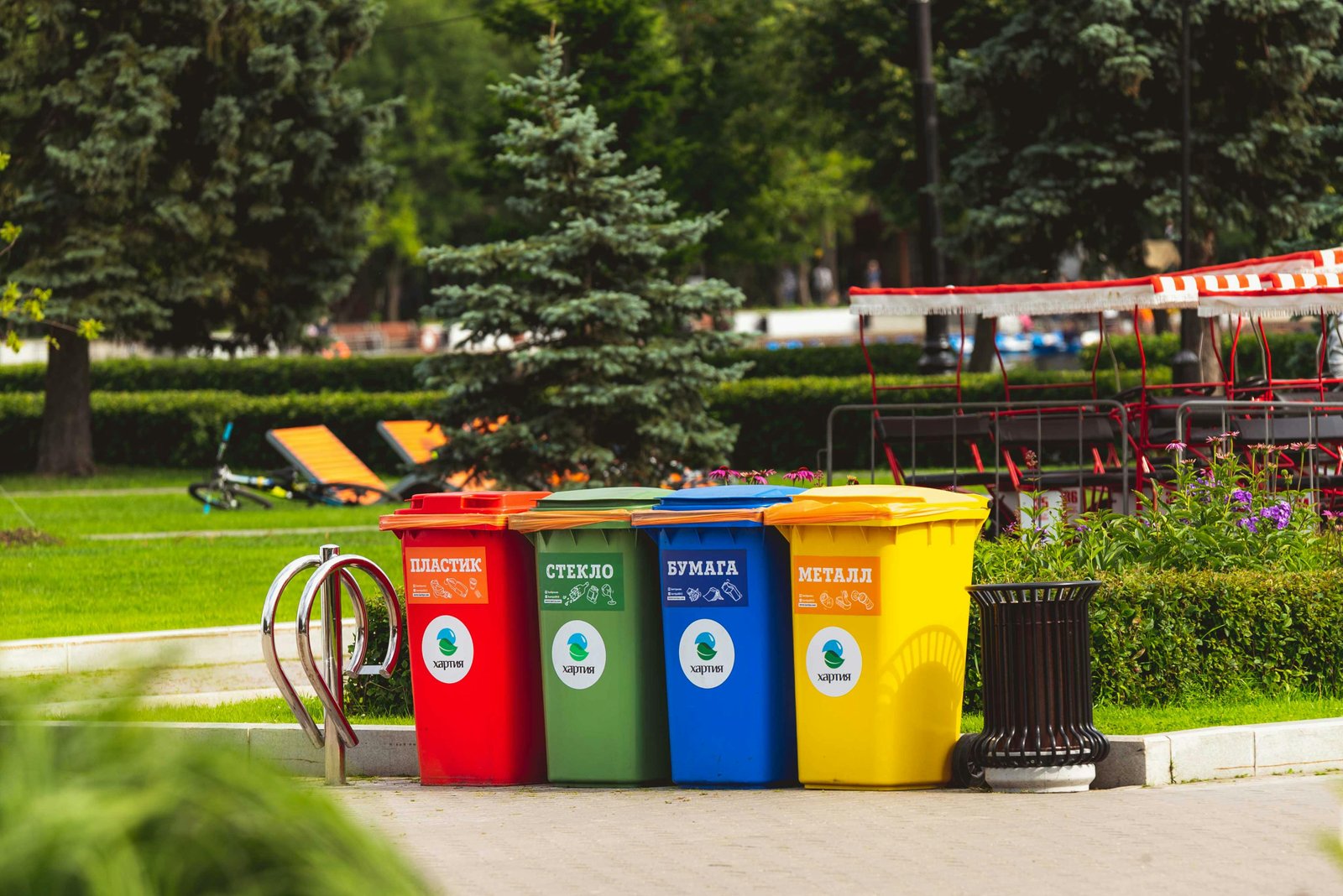
scrap-regrind.jpgInjection moulding is inherently an efficient process — material goes into the hopper, part comes out, with minimal waste when tooling is well-maintained. We build further on that efficiency through four active practices running on our Mumbai facility every day.
We maintain strict first-pass quality standards because catching a defect at the press costs nothing in transport or rework energy. A returned shipment from a customer's factory, on the other hand, doubles the carbon footprint of that part.

images/sustainability/supply-chain.jpg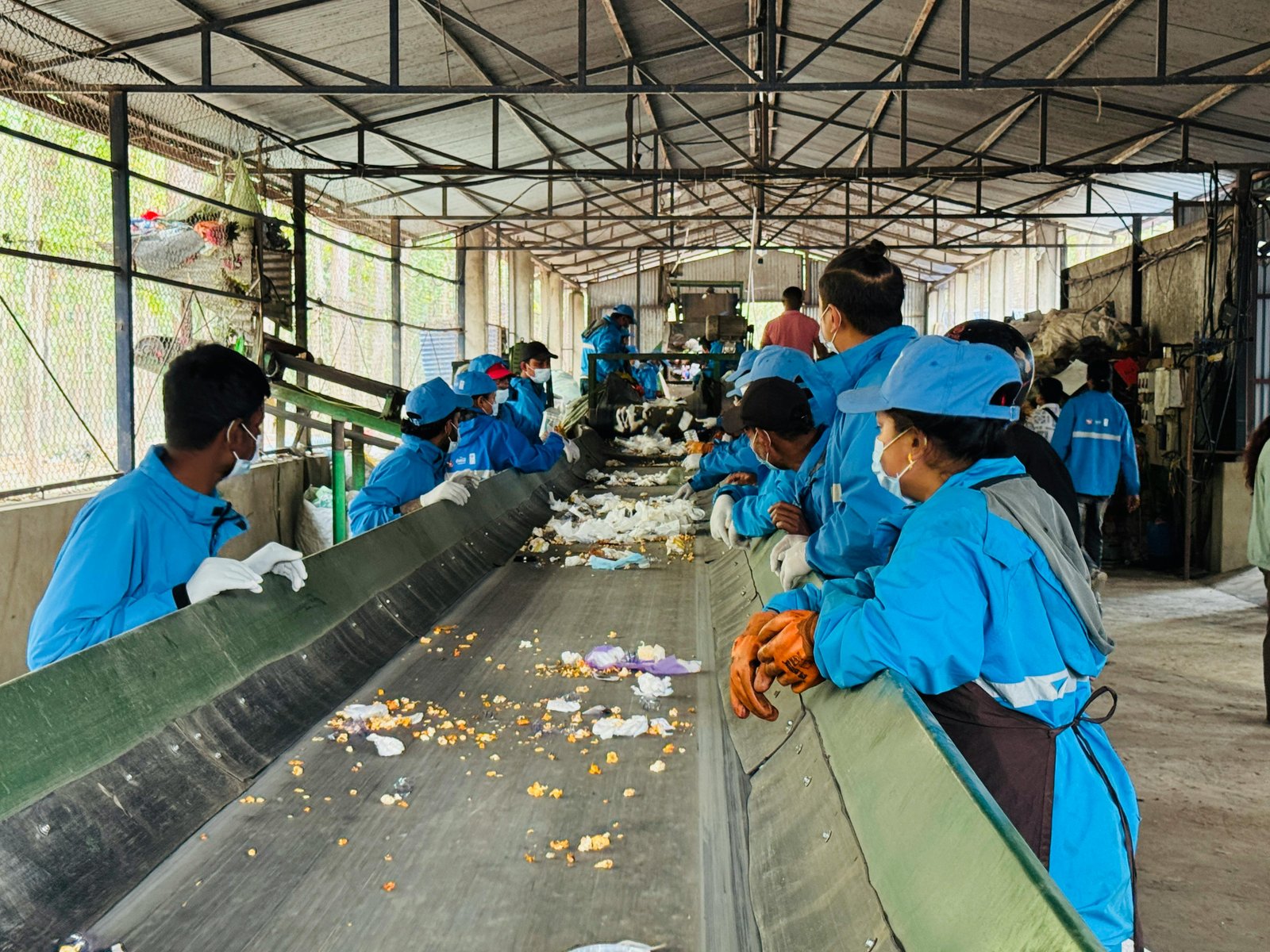
batch-docs.jpgSustainability does not stop at our factory gate. We work only with resin and component suppliers who can provide full material traceability — certified food-grade grades, documented resin origins, and compliant processing conditions.
Every batch we ship includes material data sheets so our customers — food brands, plumbing contractors, automotive OEMs — can include Hitshi components in their own environmental reporting and supplier declarations with accurate, auditable information.
At Hitshi, sustainability goes beyond environmental protection — it also means making a positive impact on people and society. As a responsible manufacturer, we embrace our social responsibility by creating value not only for our customers and shareholders, but for our employees, communities, and future generations.
We are committed to ethical business practices, transparent operations, and fair treatment across our value chain. Through long-term programs and daily action, we aim to drive inclusive growth and strengthen community well-being in Malad and across our supplier network.
All operators on our injection moulding floor follow documented safety protocols. Machine guarding, PPE compliance, and regular safety audits are non-negotiable.
We invest in continuous training for our production team — from machine operation to quality inspection — building careers and not just filling roles.
We audit key suppliers for fair labour practices, safety compliance, and certified raw materials — ensuring our values extend upstream.
Our facility supports local employment in Malad East, and we engage with neighbourhood initiatives that align with our broader mission.
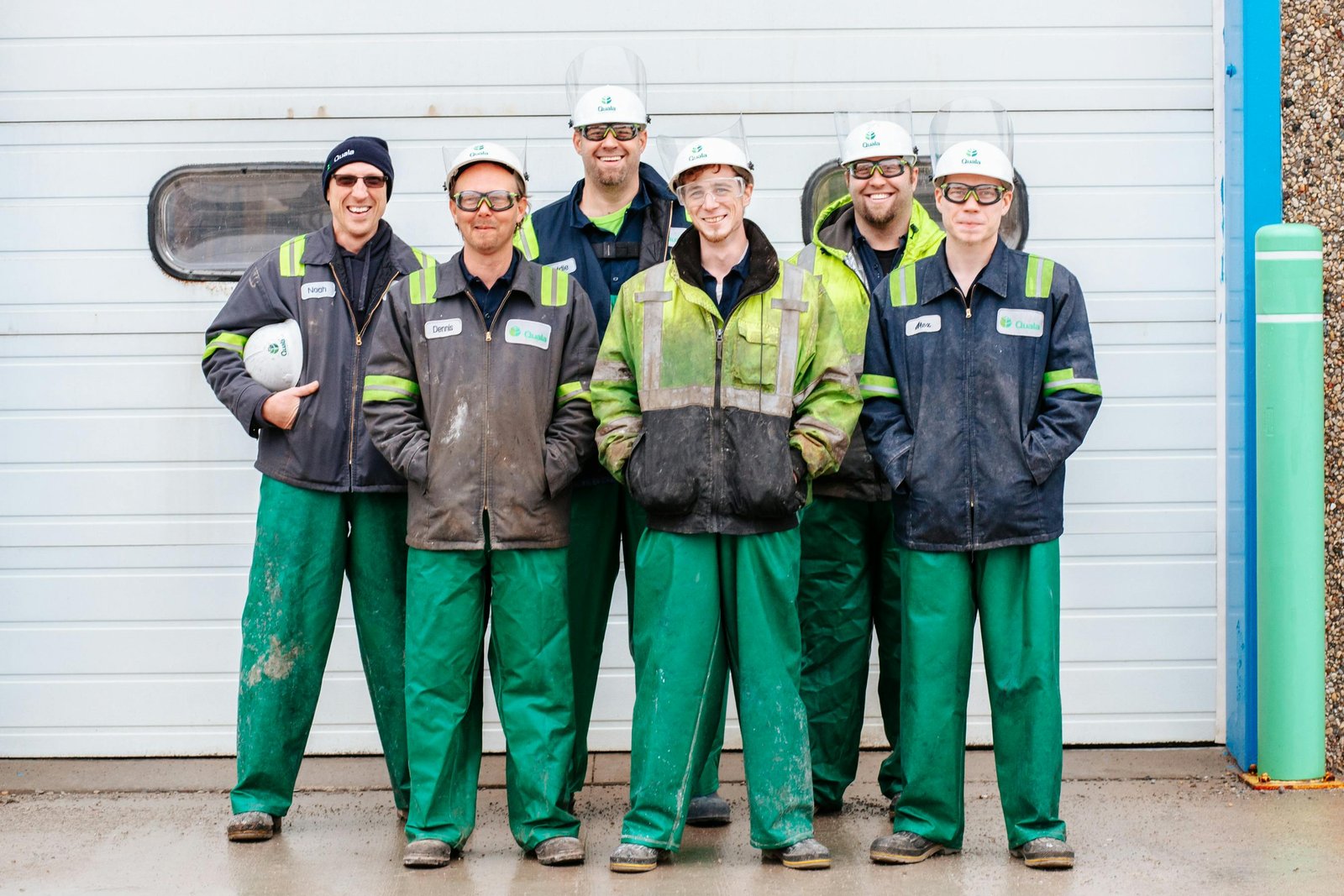
images/sustainability/csr-team.jpgEvery environmental and quality claim we make is audited and renewed by a third-party certification body — not self-declared.
 ✅
✅
Quality Management System — audited and certified by DNV India. Renewed 2024.
 🌿
🌿
Environmental Management System — certified by DNV India. Demonstrates our commitment to reducing environmental impact.
 🏅
🏅
Det Norske Veritas (DNV) is a globally recognised independent certification body — our auditor for both ISO 9001 and ISO 14001.
 🥛
🥛
All PP and HDPE resins used in food jars, delivery containers and closures are food-contact certified. Batch documentation available on request.
 🏆
🏆
Recognised as a Top Plastic Supplier by Maruti Suzuki (2024) — meeting OEM-grade quality and supply-chain reliability standards.
 ⭐
⭐
Recognised as an OEM-Aligned Supplier by Tata Auto Components — validating our quality systems, traceability, and delivery consistency.
Ask us about material certifications, batch traceability documentation, or how our products fit your sustainability reporting requirements.