Metal fasteners rust. They conduct electricity. They react with chemicals. For a growing number of industrial applications, that's a problem — and it's why polypropylene (PP) bolts and nuts from HITSHI INDUSTRIES PRIVATE LIMITED are showing up in more assemblies every year.
The PP fastener range
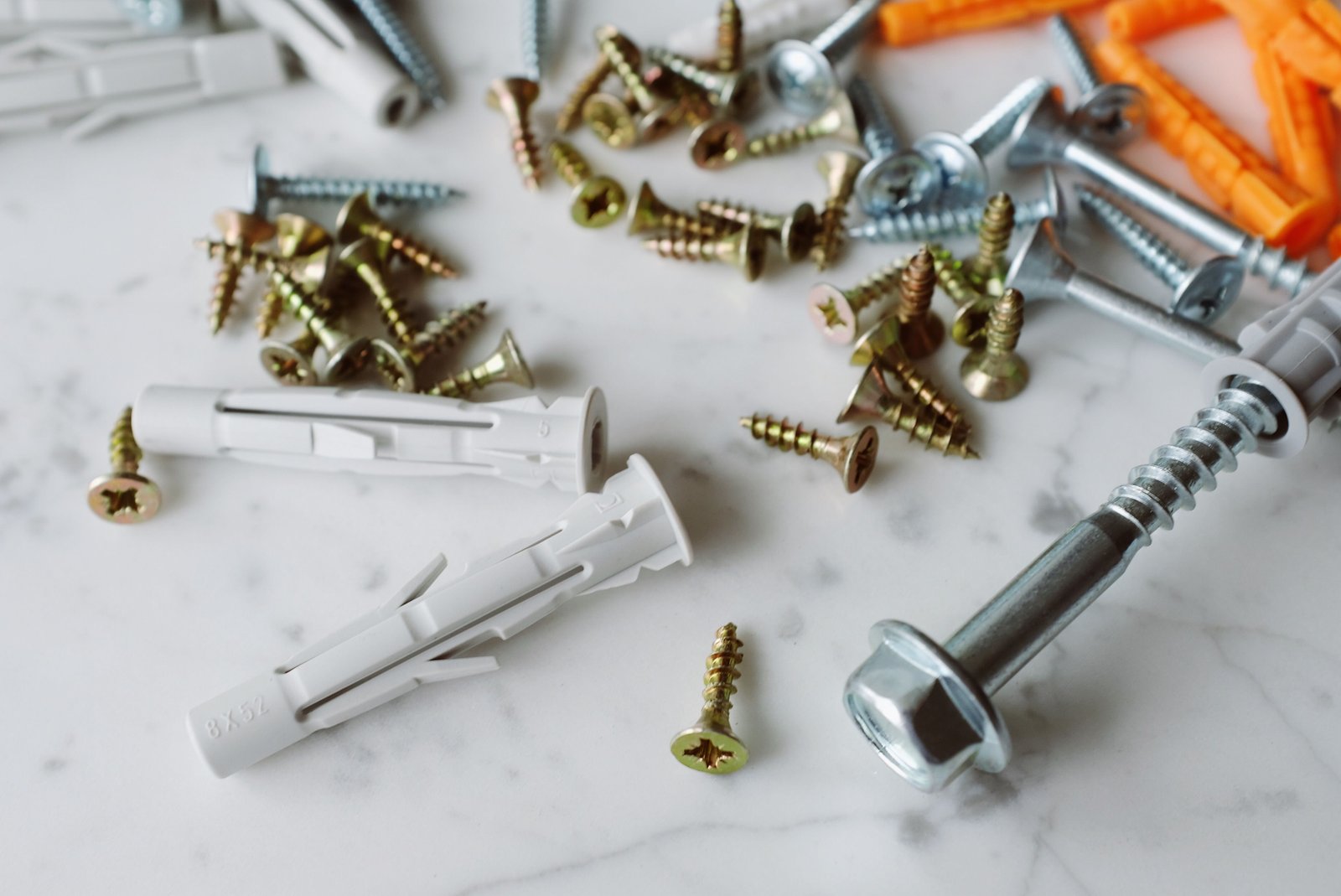
Our product line covers the full fastening toolkit: hex bolts for strong, secure joining across industrial and general-purpose applications; hex nuts with precision threading for a firm, reusable lock; washers that distribute load and protect surfaces; stud bolts for high-strength fastening; U bolts for securing pipes and round structures; anchor bolts for fixing structures into concrete; machine screws for precision fastening in equipment; socket head cap screws for compact, high-strength jobs; and lock nuts engineered to resist loosening from vibration.
Why polypropylene
PP is a widely used engineering plastic prized for excellent chemical resistance, lightweight strength and non-corrosive performance. That makes it the natural choice for fastening applications where traditional metal fasteners fail — due to rust, chemical exposure or electrical conductivity. Every fastener is produced using precision moulding techniques for accurate threading, dimensional stability and consistent performance, with a smooth surface finish that grips reliably without seizing or galling.
Key benefits
- Long-lasting performance without corrosion or rust
- Ideal for chemical and moisture-exposed environments
- Easy installation and removal for temporary or permanent use
- Lightweight construction that reduces handling and transport cost
- Low maintenance requirements — no protective coatings needed
- Safe for electrical and non-conductive applications
Advantages over metal fasteners
PP fasteners bring distinct advantages in specialised industrial environments. Their chemical and corrosion resistance suits applications where metal components degrade quickly, while their electrical insulation makes them ideal for electrical and electronic systems. They don't rust, seize, or suffer metal fatigue under normal conditions, and they reduce noise and vibration in an assembly — extending service life in harsh environments.
Where PP fasteners are used
- Chemical processing plants and equipment
- Water treatment and piping systems
- Electrical and electronic assemblies
- Automotive and mechanical applications
- Construction and infrastructure projects
- Marine and moisture-exposed environments
What's next for plastic fastening
Demand for PP bolts and nuts is rising as industries move toward lightweight, corrosion-resistant, cost-effective materials. Advancements in polymer technology are producing stronger, more temperature-resistant PP grades, expanding plastic fasteners into more demanding environments. HITSHI INDUSTRIES PRIVATE LIMITED continues to invest in precision manufacturing and an expanding size range to meet that growing demand.